The paper that outlived the people
Armies generate enormous quantities of paper and preserve it unevenly. Knowing which categories survived is most of the research.
Three kinds of record
Personal service files follow an individual and are the obvious target. Unit records — diaries, orders, strength returns — follow a formation and often survive when individual files do not. Pension and medical files follow a claim, and because they were kept for financial reasons they are frequently the most detailed of the three.
Gaps are not random
Large portions of twentieth-century service records were destroyed by fire, by bombing or by routine disposal, and the losses cluster by country, by service and by date. Discovering that a file is missing is useful information: it usually points to a known destruction event, and to the substitute sources that researchers have used ever since.
Work outward from the unit
When the individual file is gone, the unit record still places a person on a given day. Combined with a few dated personal documents, it reconstructs a service history that is accurate even though no single document states it.
Handling what the family kept
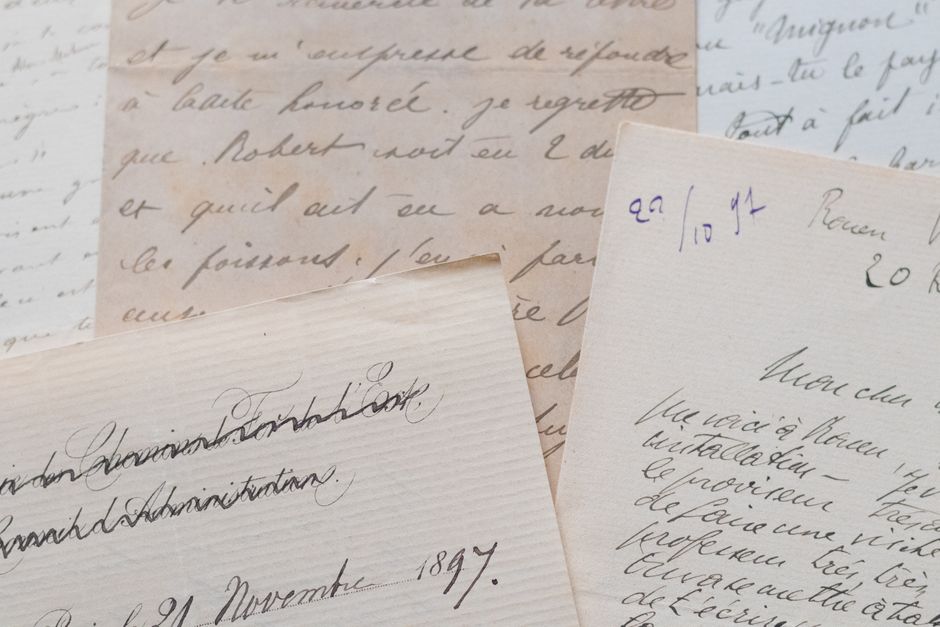
Letters, pay books and photographs degrade in lofts. Before transcribing anything, get it out of acidic paper and plastic sleeves, photograph each item at a decent resolution, and record where in the house it came from — provenance is evidence too.
Record what you searched
Keeping a negative-results log — which index, which years, which spelling variants, searched when — saves more time than any single discovery. Without it, the same fruitless search gets repeated months later, and a gap in coverage looks identical to a gap in the records.